


Why a Clean Balance Sheet Matters for Your Business
Balance sheet clean up is the process of correcting errors, reconciling accounts, and removing outdated entries from your company’s balance sheet to ensure accurate financial reporting. Here’s what it involves:
Quick Answer: Balance Sheet Clean Up Steps
- Reconcile all accounts – Match bank, credit card, and loan statements to your books
- Identify errors – Find misclassifications, duplicates, and zero-balance accounts from past years
- Make corrections – Use adjusting journal entries to fix categorization mistakes
- Verify the equation – Confirm Assets = Liabilities + Equity balances correctly
- Update reports – Generate clean financial statements that reflect your true position
Over time, accounting errors pile up. You might have duplicate transactions, PayPal entries recorded as both a bank account and an expense category, or lingering zero-balance accounts from 2015 that still clutter your 2024 reports. These problems make it nearly impossible to understand your true financial position.
A messy balance sheet doesn’t just look bad on paper. It impacts real business decisions. With nearly 50 percent of U.S. corporate debt surging over the last decade to almost $10 trillion, accurate financial statements have never been more critical. Potential buyers want to see at least 3 to 5 years of clean historical reports. Lenders need confidence in your numbers. And you need reliable data to make smart strategic choices.
The good news? Balance sheet clean up follows a clear, systematic process. Whether you’re a small nonprofit filing Form 990-N or a growing business preparing for financing, the steps remain consistent: reconcile accounts, correct errors, and verify your numbers add up.
I’m Michael J. Spitz, and I’ve spent 15+ years managing complex corporate accounting, from strategic financial modeling to detailed balance sheet clean up for businesses across multiple industries. In this guide, I’ll walk you through the exact process to declutter your balance sheet and maintain clean books going forward.

Learn more about balance sheet clean up:
Understanding the Importance of a Balance Sheet Clean Up
A balance sheet is a snapshot of your company’s financial health at a specific point in time. It reveals what you own (assets), what you owe (liabilities), and what is left for the owners (equity). When these numbers are “dirty”—meaning they are cluttered with errors or unrecorded transactions—the snapshot becomes blurry.
For small nonprofits in Gilbert, AZ, a balance sheet clean up is often the difference between staying compliant and losing tax-exempt status. Even if you only file the Form 990-N (the “postcard” for organizations with gross receipts under $50,000), having accurate internal records is a requirement. The IRS expects you to maintain proper documentation, and a messy balance sheet can trigger red flags if you ever grow or face an inquiry.
Beyond taxes, a clean balance sheet builds investor and lender confidence. If you are looking for financing or planning to sell your business, buyers will scrutinize your historical reports. They want to see that your accounts are traceable and verifiable. A “clean” balance sheet typically indicates low debt, healthy liquidity, and accurate details on a balance sheet that reflect the true value of the business.
We have seen many cases where small businesses with earnings well below $50k per year face multi-year cleanup needs due to inconsistent bookkeeping. By investing in professional accounting services, you ensure that your financial foundation is solid enough to support future growth.
Identifying Legacy Errors in Your Balance Sheet Clean Up
One of the most frustrating aspects of bookkeeping is the “ghost of Christmas past.” Errors made in 2015 or 2016 can carry forward indefinitely if they aren’t addressed. In QuickBooks Online, these often appear as “Zero-Balance Accounts” that refuse to go away or accounts with small, strange balances that never change.
A classic example we encounter is the PayPal misclassification. A business owner might set up PayPal as a bank account to track transfers but also create an expense category called “PayPal Fees.” Over time, transactions get double-counted or misapplied, leading to a Chart of Accounts that looks like a tangled ball of yarn. You might see “PAYPAL SALES,” “PAYPAL FEES,” and “PAYPAL Bank Account” all active simultaneously, even if the actual account was closed years ago.
According to IRS – Recordkeeping standards, you must keep records that support the items listed on your tax returns. If your balance sheet shows assets that don’t exist or liabilities that were paid off in 2018, your records are technically non-compliant. Identifying these historical errors requires a deep dive into your Chart of Accounts to see where the original “wrong turn” was taken.
Using Adjusting Journal Entries for a Balance Sheet Clean Up
Once you’ve identified the errors, how do you fix them without breaking your current year’s data? The answer is adjusting journal entries. This is the “surgical” part of a balance sheet clean up.
Journal entries allow us to move money from one account to another to ensure GAAP (Generally Accepted Accounting Principles) compliance. For example, if you’ve been recording equipment purchases as an expense instead of an asset, a journal entry can move that amount to the balance sheet and record the appropriate depreciation.
For those zero-balance accounts that keep showing up on reports, we use journal entries to “net” them out against equity or the correct bank account, allowing you to finally make the account inactive in QuickBooks. This process is essential for businesses moving from cash-basis to accrual-basis accounting. If you’re feeling overwhelmed by the technical side of this, our Accounting Clean Up Services are designed to handle these adjustments for you, ensuring your books are pristine.
Common Issues Found in Messy Financial Records
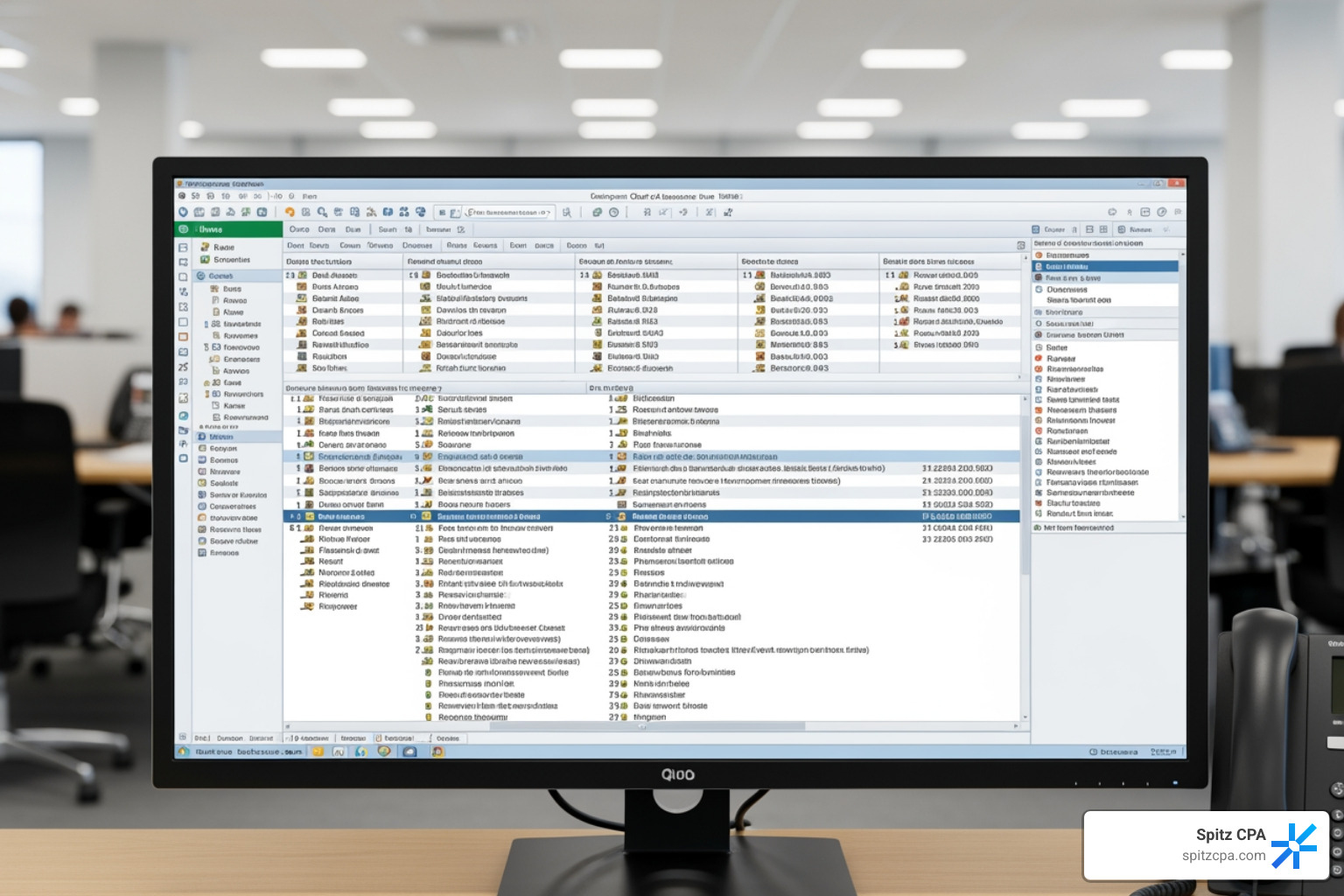
When we start a balance sheet clean up, we usually find a handful of “usual suspects.” These issues are common across almost every industry in Arizona, from retail to professional services.
- Duplicate Transactions: This often happens when a bank feed is connected, but transactions are also entered manually. You end up with two “Office Supply” expenses for the same $50 trip to the store.
- Misapplied Payments: Sometimes a customer pays an invoice, but the payment is recorded as general income instead of being applied to the specific Accounts Receivable (A/R) entry. This leaves the invoice looking “unpaid” even though the cash is in the bank.
- Unrecorded Bank Fees: Small fees, interest, or merchant service charges (like those from PayPal or Stripe) are easily missed if you aren’t reconciling every single month.
- The PayPal Trap: As mentioned earlier, treating PayPal as both a bank and an expense category is a recipe for disaster. It leads to “hidden” balances that don’t match your actual PayPal statement.
- Uncleared Checks: Checks written years ago that were never cashed should not sit on your balance sheet forever. They need to be investigated and either reissued or written back into income.
Addressing these issues is the core of our Financial Reporting & Advisory Services. We don’t just fix the error; we look for the “why” behind it to prevent it from happening again.
Step-by-Step Instructions for a Professional Cleanup
If you’re ready to roll up your sleeves, here is the 8-step framework we use for a professional balance sheet clean up.
- Initial Assessment: Run your Balance Sheet and Profit & Loss reports for the last three years. Look for anything that looks “weird”—negative asset accounts, positive liability accounts, or balances that haven’t changed in years.
- Bank and Credit Card Reconciliation: This is the most important step. Every single account must be reconciled against the actual bank statement. If the “Ending Balance” in QuickBooks doesn’t match your statement, you have a problem.
- A/R and A/P Review: Look at your Accounts Receivable (who owes you) and Accounts Payable (who you owe). Are there old invoices from 2020 that will never be paid? Write them off.
- Inventory Write-Downs: If you sell physical products, your balance sheet likely lists inventory. If that inventory is damaged, obsolete, or missing, you must write its value down to reflect reality.
- Payroll Record Verification: Ensure your payroll tax liabilities match what you actually owe the IRS and the State of Arizona.
- Correct Categorization: Move transactions that were put into the wrong “buckets.” For example, ensure personal owner draws aren’t being recorded as business expenses.
- Adjusting Journal Entries: Post the final entries to fix historical errors and record non-cash items like depreciation and amortization.
- Verify the Accounting Equation: Finally, ensure that Assets = Liabilities + Equity. If this doesn’t balance, the cleanup isn’t done.
For many small business owners, this process is daunting. That’s why we offer Small Business Accounting support to guide you through each step or take the reins entirely.
Cleanup vs. Catch-up Bookkeeping: Knowing the Difference
It is common to confuse these two terms, but they require very different skill sets.
| Feature | Catch-up Bookkeeping | Balance Sheet Clean Up |
|---|---|---|
| Primary Goal | Entering missing data | Correcting existing errors |
| Starting Point | Empty or incomplete records | Messy or inaccurate records |
| Key Activity | Data entry from bank statements | Reconciling and reclassifying |
| Complexity | Low to Moderate | Moderate to High |
| Outcome | Current, up-to-date books | Accurate, GAAP-compliant books |
Catch-up bookkeeping is simply about getting the data into the system. If you haven’t touched your books since January, you need a catch-up. Balance sheet clean up, however, is about quality control. It’s about ensuring that the data already in the system is actually correct.
If your transaction volume is high, a cleanup can take weeks of forensic accounting. If you’re a small shop with low volume, it might only take a few days. Regardless of the size, having a Fractional CFO oversee the process ensures that the cleanup adds strategic value rather than just moving numbers around.
Precautions to Avoid Disrupting Current Operations
The last thing you want is for a balance sheet clean up to stop your business in its tracks. To avoid chaos, follow these precautions:
- Work in the Background: Cleanup should ideally happen in a “test” environment or during off-hours if you are using a desktop version of software. For QuickBooks Online, most changes can be made without affecting your ability to send invoices or pay bills.
- Create Data Backups: Before making major adjusting entries, ensure you have a “point-in-time” backup of your data.
- Maintain an Audit Trail: Always include detailed notes in your journal entries explaining why the adjustment was made. This is vital if you are ever audited.
- Respect the “Closing” Window: Companies with strong accounting teams aim to close their books within 5 to 10 days after the month ends. Try to perform your cleanup in chunks that align with these monthly cycles.
By using Outsourced CFO Services, you can ensure the cleanup is handled by experts who know how to navigate these systems without disrupting your daily operations.
Frequently Asked Questions about Balance Sheet Maintenance
Is it safe for a non-accountant to perform a cleanup?
While it is possible for a business owner to perform a balance sheet clean up, it isn’t always recommended. It requires a solid grasp of double-entry bookkeeping and familiarity with how your specific software handles historical data. If you make a mistake in a prior year, you could inadvertently change your retained earnings, which will throw off your current year’s taxes. If you have no funds for an accountant, start by reconciling your bank accounts—that’s the safest first step. For anything involving journal entries or equity, professional oversight is highly encouraged.
How long does a typical cleanup take for a small business?
The timeline depends on two factors: transaction volume and the number of years that need cleaning. A small organization with low volume might be cleaned up in 10-20 hours. However, if you have multi-year issues dating back to 2015, it could take several weeks of “detective work” to find the source of the errors.
Will a cleanup impact my past tax filings?
It might. If you find significant errors in years for which you’ve already filed taxes, you may need to file amended returns. For small nonprofits filing the 990-N postcard, the impact is usually minimal since that form doesn’t require a full balance sheet. However, for larger entities, a cleanup could affect tax attributes like Net Operating Losses (NOLs). We always coordinate with your tax preparer to ensure any changes are handled correctly.
Conclusion
A clean balance sheet is more than just a tidy report; it is the foundation of your business’s financial health. It provides the clarity you need to make strategic decisions, the transparency required by lenders, and the peace of mind that comes with knowing your numbers are right.
As Michael J. Spitz, I’ve seen how a balance sheet clean up can transform a business from a state of confusion to a position of strength. Whether you are dealing with legacy PayPal errors or just need to reconcile your accounts for the first time in years, the effort is worth it.
Don’t let messy books hold you back from your next big growth milestone. If you’re in Gilbert, AZ, or anywhere in Arizona, and you’re ready to declutter your debits, we’re here to help. From monthly reconciliations to complex forensic cleanups, we provide the personalized guidance you need to achieve financial clarity.
Ready to get your books in order? Get professional accounting help from Michael J. Spitz and the team at Spitz CPA today. Let’s build a financial future you can be proud of.


