


Why Financial Services Consulting Matters Now
Financial services consulting firms are specialized advisory organizations that help banks, insurance companies, fintechs, and other financial institutions steer complex challenges, implement new technologies, and improve their business performance. These firms range from global powerhouses to specialized boutiques focusing on specific sectors or services, each offering unique expertise in areas like strategy, digital change, regulatory compliance, and technology implementation.
The financial services industry faces unprecedented challenges. Increasing regulatory requirements, declining fee rates, and rapid digital change are reshaping how banks, insurers, and fintechs operate. Add economic volatility and new market entrants to the mix, and you have an industry where expert guidance isn’t optional—it’s essential for survival.
Business consulting has never been more important. Firms that accept AI stand to reduce their customer service cost base by 20% to 30% and increase revenue by about 5%, according to recent industry data. Meanwhile, 75% of financial services companies are achieving or exceeding their expected value with generative AI initiatives. These aren’t just statistics—they represent real competitive advantages that separate winners from those struggling to keep pace.
The consulting landscape itself has evolved dramatically. More than 90% of large companies have pursued tech modernization projects in the past five years, yet 95% of companies investing in AI haven’t seen measurable impact. This gap between investment and results is where skilled consulting firms prove their worth, helping clients steer complexity while avoiding costly missteps.
Whether you’re a regional bank competing with digital challengers, an insurance company changing customer experience, or a fintech scaling operations, the right consulting partner brings specialized expertise that internal teams often lack. They’ve seen similar challenges across hundreds of engagements, understand regulatory nuances, and know which strategies actually work versus those that sound good in boardrooms but fail in execution.
I’m Michael J. Spitz, and with 15+ years of corporate accounting and financial planning experience—including extensive work with financial modeling, fundraising due diligence, and strategic financial decisions—I understand how *financial services consulting firms can transform business operations and drive measurable growth.* My background spanning software technology, lending, and data security has given me insight into the challenges these consulting firms help solve.
Financial services consulting firms helpful reading:
What Do Financial Services Consulting Firms Actually Do?
Financial services consulting firms are like the Swiss Army knives of the financial world—they offer a diverse toolkit of services designed to address nearly any business challenge. Their core mission is to help financial institutions not just survive, but thrive in an changing landscape.
At their heart, these firms provide strategic planning, helping clients define their long-term vision and map out the steps to achieve it. This often includes developing plans for strategic business growth, identifying new market opportunities, or optimizing existing operations. For instance, a firm might assist a bank in expanding its digital offerings or help an insurance company penetrate a new demographic.
Mergers & Acquisitions (M&A) are another significant area. From due diligence to post-merger integration, consultants guide clients through the intricate process of buying, selling, or combining businesses. This includes everything from business valuation services to ensuring a smooth transition of operations and culture. The goal is to open up deal value, ensuring that the combined entity is greater than the sum of its parts.
Risk management and regulatory compliance are paramount in finance, and consulting firms play a critical role here. They help institutions steer complex and ever-changing regulations, implement robust risk frameworks, and ensure adherence to compliance standards. This is especially vital in regions like Arizona, where financial institutions must meet both federal and state-specific requirements.
Beyond strategy and compliance, these firms focus on performance improvement. This can involve streamlining operations, enhancing customer experience, or implementing cost-reduction strategies. Their advice aims to improve financial metrics and ensure sustainable long-term value.
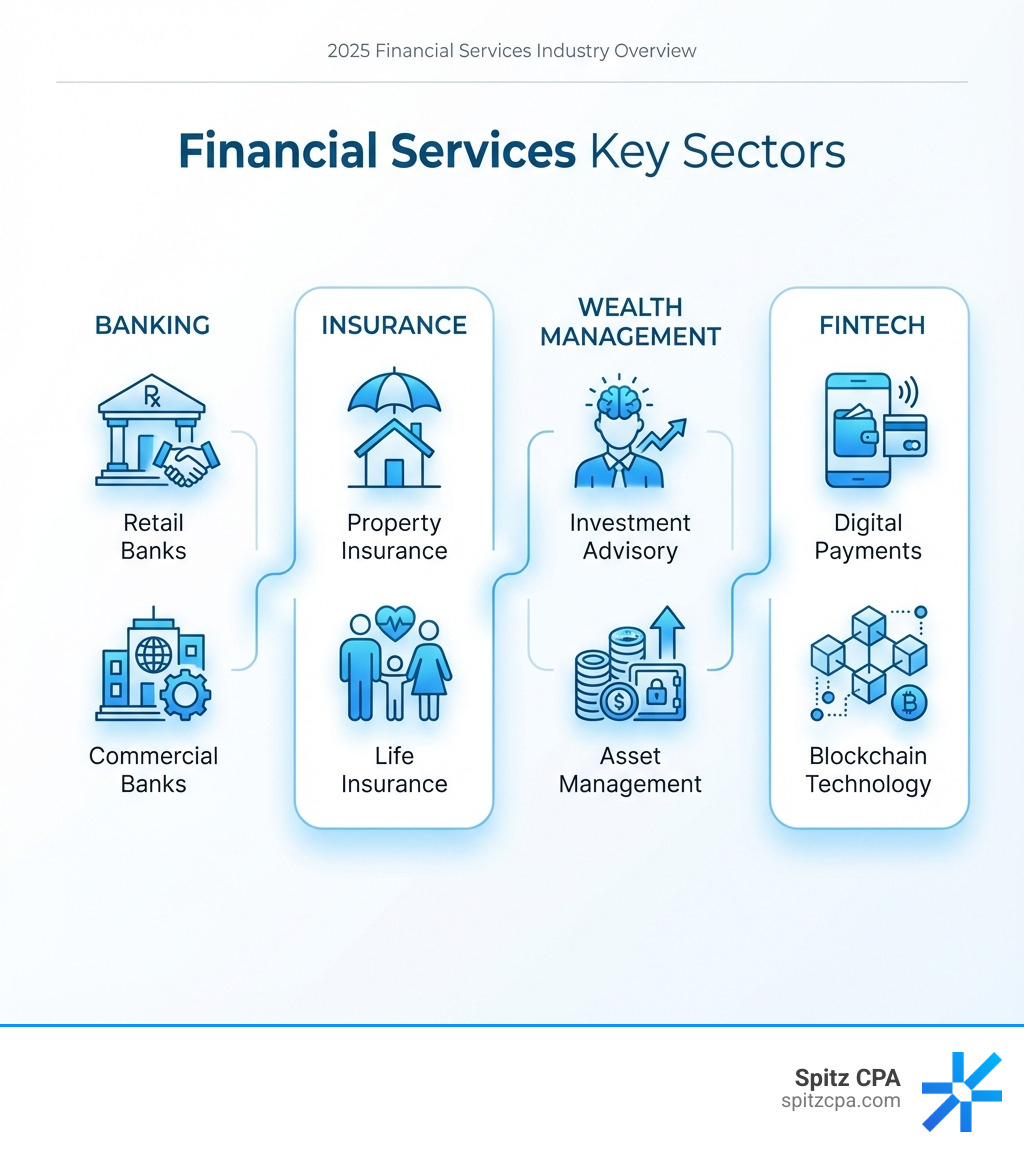
Their client base is broad, spanning the entire financial services sector: from global and regional banks, insurance companies, and fintech startups to wealth and asset management firms. They also serve private equity firms looking to optimize their portfolio companies and even government agencies dealing with financial oversight.
The Core Functions: From Strategy to Execution
The work of these firms isn’t just about high-level strategy; it’s about making that strategy a reality. Their core functions bridge the gap between vision and execution:
- Operations Improvement: Consultants dive deep into existing processes to identify inefficiencies and implement solutions that improve productivity and reduce operational costs. This could involve anything from optimizing back-office functions to improving the efficiency of customer service centers.
- Liquidity Management: In an unpredictable economic climate, ensuring adequate liquidity is crucial. Firms advise on cash flow optimization, capital allocation, and financial resilience.
- Digital Change: This is a huge area. Consultants guide financial institutions through comprehensive digital changes, from adopting cloud solutions and modernizing legacy systems to implementing new digital delivery models. This isn’t just about technology; it’s about changing how a business operates and interacts with its customers.
- Cost Reduction: With declining fee rates, financial institutions are constantly seeking ways to cut costs without compromising service quality. Consulting firms help identify areas for efficiency gains, leverage automation, and implement strategies to improve business profitability.
- Customer Experience (CX): In a competitive market, customer loyalty is key. Firms help redesign customer journeys, implement personalized services, and leverage data analytics to create exceptional experiences.
- Technology Implementation: From new core banking systems to advanced analytics platforms, consultants oversee the selection, integration, and rollout of critical technologies, ensuring they align with business objectives.
Who They Serve: The Client Landscape
The reach of these firms is extensive, touching almost every corner of the industry. Their typical client base includes:
- Global and Regional Banks: From the largest international institutions to community banks serving local markets in Arizona, consultants help with everything from risk management to digital banking strategies.
- Insurance Providers: Life, health, property, and casualty insurers seek guidance on digital change, claims processing optimization, and regulatory changes.
- Fintechs: These agile startups and scale-ups often need help with growth strategies, market entry, regulatory compliance, and scaling their innovative solutions.
- Wealth and Asset Managers: Firms managing investments for individuals and institutions rely on consultants for portfolio strategy, client acquisition, and operational efficiency.
- Private Equity Firms: Consultants assist with due diligence for potential investments, operational improvements for portfolio companies, and exit strategies.
- Government Agencies: These entities may engage consultants for policy analysis, financial oversight, or large-scale project management.
No matter the size or specialty, the goal is always to provide custom solutions that address specific client needs. For more details on how we can assist your financial institution, you can explore more about our services.
Understanding the Types of Financial Services Consulting Firms

Just as there are many facets to the financial services industry, there are different types of consulting firms, each with its unique strengths and focus. Understanding these categories can help you identify the best fit for your specific needs. Firms differentiate themselves by their expertise, geographic reach, and the breadth or depth of their service offerings.
| Type of Firm | Typical Project Scope | Client Size | Core Focus |
|---|---|---|---|
| Full-Service | End-to-end change, large-scale initiatives | Large enterprises, global corporations | Comprehensive solutions (strategy, tech, operations, compliance) |
| Strategy-Focused | High-level strategic direction, market positioning | C-suite of large to mid-sized enterprises | Competitive advantage, thought leadership, business model innovation |
| Technology & Implementation | Digital change, system integration, IT optimization | Large enterprises, tech-driven mid-market firms | Cloud adoption, AI/ML deployment, cybersecurity, operational technology |
| Boutique/Niche | Specialized problems (e.g., specific regulatory, M&A) | Small to mid-sized businesses, startups | Deep expertise in a narrow field, agile, customized solutions |
Full-Service Consulting Firms
These are the giants of the consulting world, often stemming from audit and advisory roots. They offer a broad service range, including audit, tax, advisory, strategy, technology, and even outsourcing. With an extensive global network and thousands of employees, they can handle virtually any challenge.
Their strength lies in regulatory and compliance expertise, making them invaluable partners for navigating complex financial landscapes. They excel at large-scale change projects, providing end-to-end solutions from initial strategy development to full implementation. Their comprehensive approach ensures that all aspects of a change are considered, from financial implications to technological integration.
Strategy-Focused Consulting Specialists
These firms are renowned for their high-level strategy work. They advise C-suite executives on critical decisions that shape the future of their organizations. Their focus is on helping clients achieve competitive advantage, often by redefining industries and exploring new business models.
These firms are known for their deep thought leadership, regularly producing white papers and reports that influence industry discourse. They boast premium branding and attract top talent, allowing them to tackle the most complex strategic dilemmas. Their financial services practices often focus on creating value by changing portfolio strategies and uncovering new revenue opportunities.
Technology & Implementation-Focused Financial Services Consulting Firms
In an era defined by digital disruption, these firms are crucial. They have a digital-first approach, specializing in IT infrastructure, large-scale implementation, and technology enablement. They help financial institutions leverage technological macro-trends such as cloud computing, data and analytics, and AI.
Their expertise ranges from modernizing legacy systems and implementing new digital platforms to optimizing IT costs and enhancing cybersecurity. They are the architects of digital change, ensuring that financial services providers can adopt the latest technologies to lift customer experiences and streamline operations. If you’re looking to transform your financial operations, understanding more on CFO consulting can provide valuable insights into this technical specialization.
Key Trends: How Consultants Drive Innovation with AI and Digital Change

The financial services industry is in the midst of a technological revolution, and financial services consulting firms are at the forefront, guiding clients through these seismic shifts. Key trends like Artificial Intelligence (AI), Generative AI, digital assets, blockchain, sustainability (ESG), and cybersecurity are not just buzzwords; they are fundamental drivers of change that consultants are helping clients master.
For those curious about the intersection of finance and technology, the Research Guide on Fintech Consulting Firms from the Library of Congress offers a great starting point, highlighting firms with experience advising on FinTech strategy.
The AI Revolution in Finance
AI, particularly generative AI, is rapidly reshaping financial services. We’re seeing firms leverage AI to streamline key activities and meet customer needs with unprecedented speed and personalization. Here’s how:
- Workflow Automation: AI automates routine, higher-value tasks, freeing up human capital for more strategic work.
- Improved Employee Productivity: AI assistants empower employees, leading to greater efficiency and output.
- Personalized Customer Experience: AI analyzes vast amounts of data to offer custom products, services, and rapid responses. Firms that accept AI stand to increase revenue by about 5% and reduce customer service costs by 20-30%.
- AI in Risk Management: AI improves fraud detection, anti-money laundering (AML) efforts, and Know Your Customer (KYC) processes, making financial systems more secure.
The impact is tangible. For instance, one major bank transformed its customer engagement with AI-enabled processes, reducing its idea-to-value timeline from more than 60 days to just one day. This kind of efficiency gain is why 75% of financial services companies are achieving or exceeding their expected value with generative AI initiatives.
To stay updated on these rapid developments, tuning into resources like Deciphered: The Fintech Podcast can provide valuable insights. And for businesses in Arizona innovating with AI, such advancements may qualify for tax benefits, where R&D tax experts can help open up significant savings.
Embracing Digital and Sustainable Futures
Beyond AI, these firms are deeply involved in other transformative areas:
- Digital Delivery Models: Consultants help institutions build agile, customer-focused digital capabilities, ensuring seamless online and mobile experiences.
- Innovative Approaches: This includes exploring and implementing cutting-edge technologies like digital assets and blockchain, which are democratizing transactions and gaining traction in the market.
- ESG Investing & Sustainability: Financial firms are increasingly integrating Environmental, Social, and Governance (ESG) factors into their strategies. Consultants help them develop pragmatic sustainability actions that generate strong ROI, boost efficiency, and reduce environmental impact.
- Post-Merger Integration: As the industry consolidates, effective post-merger integration is critical to open uping deal value and achieving synergistic benefits.
- Agile Enterprise Models: To adapt quickly to market changes, firms are embracing agile methodologies, becoming faster, more flexible, and customer-focused. This often involves rethinking organizational design and operating models.
These trends represent not just challenges but immense opportunities for growth. For businesses investing in innovation, understanding new R&D rules is essential for maximizing potential returns.
Frequently Asked Questions about Financial Services Consulting
We often get asked about the practicalities of engaging with financial services consulting firms. Here are some common questions and our insights:
How do I choose the right consulting firm for my business?
Choosing the right firm is crucial. It’s like finding the right doctor—you need someone who understands your specific ailments and can prescribe the right treatment. Consider the following:
- Project Scope: Is your need a broad strategic overhaul, a specific technology implementation, or a niche regulatory issue? Match the firm’s specialization to your project.
- Firm Specialization: Does the firm have deep expertise in your specific financial sector (e.g., banking, insurance, fintech, wealth management)?
- Track Record: Look for firms with a proven history of success in similar projects. Client testimonials and case studies provide valuable insights into a firm’s expertise, collaborative approach, and customer service. A strong reputation built on positive client feedback is a key indicator of a reliable partner.
- Budget Considerations: Consulting fees can vary widely. Be clear about your budget and seek firms that can deliver value within those constraints.
- Cultural Fit: The consultants will be working closely with your team. A good cultural fit ensures smoother collaboration and better outcomes.
- Advisory vs. Implementation Expertise: Do you need high-level strategic advice, hands-on implementation support, or both? Some firms excel in one area more than the other.
What is the typical engagement model for a consulting project?
Engagement models are as diverse as the projects themselves. Common approaches include:
- Project-Based Fees: A fixed fee for a defined scope of work and deliverables. This is common for discrete projects like a market entry strategy or a system implementation.
- Retainers: A recurring fee for ongoing advisory services or a set number of hours per month.
- Interim Management: Consultants stepping into C-suite or other leadership roles for a temporary period, often during restructuring or major transitions.
- Success Fees: A portion of the fee is contingent on achieving specific, measurable outcomes. This aligns the consultant’s incentives directly with your success.
The choice of model often depends on the project’s complexity, duration, and the desired level of partnership.
Can smaller businesses benefit from financial consulting?
Absolutely! While many of the firms we’ve discussed cater to large enterprises, smaller businesses in Gilbert, AZ, and across Arizona can significantly benefit from specialized financial consulting.
- Boutique Firms & Specialized Advisors: Many smaller consulting firms and individual advisors focus on the unique needs of small to mid-sized businesses (SMBs) and startups. They offer niche expertise in areas like cash flow management, growth strategy, or preparing for investment.
- Scalable Solutions: These firms often provide more flexible and scalable solutions, custom to smaller budgets and less complex organizational structures.
- Fractional CFO Services: This is an excellent option for SMBs and startups that need high-level financial expertise but aren’t ready for a full-time Chief Financial Officer. A fractional CFO provides strategic financial guidance on a part-time basis.
- Why Outsource CFO Services for Startups: Outsourcing CFO services allows startups to access top-tier financial strategy without the overhead of a senior executive, enabling them to improve cash flow, gain financial clarity, and achieve significant growth.
Even if you’re not a global bank, the principles of strategic planning, financial optimization, and navigating regulatory landscapes are equally vital for your business’s success.
Conclusion: Finding the Right Financial Partner for Your Growth
The financial services industry is dynamic, challenging, and full of opportunities. Financial services consulting firms play an indispensable role in helping institutions of all sizes steer this complexity, leverage technological advancements like AI, and build sustainable growth strategies. From the global powerhouses shaping industry trends to specialized advisors assisting local businesses, their expertise is a critical asset.
The future outlook for financial services consulting is bright, driven by ongoing digital change, the increasing sophistication of AI, and the growing importance of ESG factors. These firms will continue to be vital partners in guiding financial institutions toward innovation, efficiency, and resilience.
For businesses in Arizona, whether you’re a burgeoning startup or an established enterprise, finding the right financial partner is key to open uping your full potential. With personalized guidance to improve cash flow and achieve growth, a dedicated partner like Michael J. Spitz at Spitz CPA can provide the necessary financial clarity and accounting clean up services to build a strong foundation.
We believe in looking beyond the numbers to the dreams behind them, helping you anticipate, adapt, and accelerate your growth. Explore our financial advisory services to see how we can help your business thrive.


