


Why Small Business Owners Struggle with Benefits Administration
For small business owners, managing employee benefits is a significant burden, involving a maze of carrier negotiations, compliance rules, and enrollment headaches. This administrative drain pulls focus from core business activities and can lead to losing top talent to larger companies with better benefits. This is where PEO benefits administration provides a powerful solution.
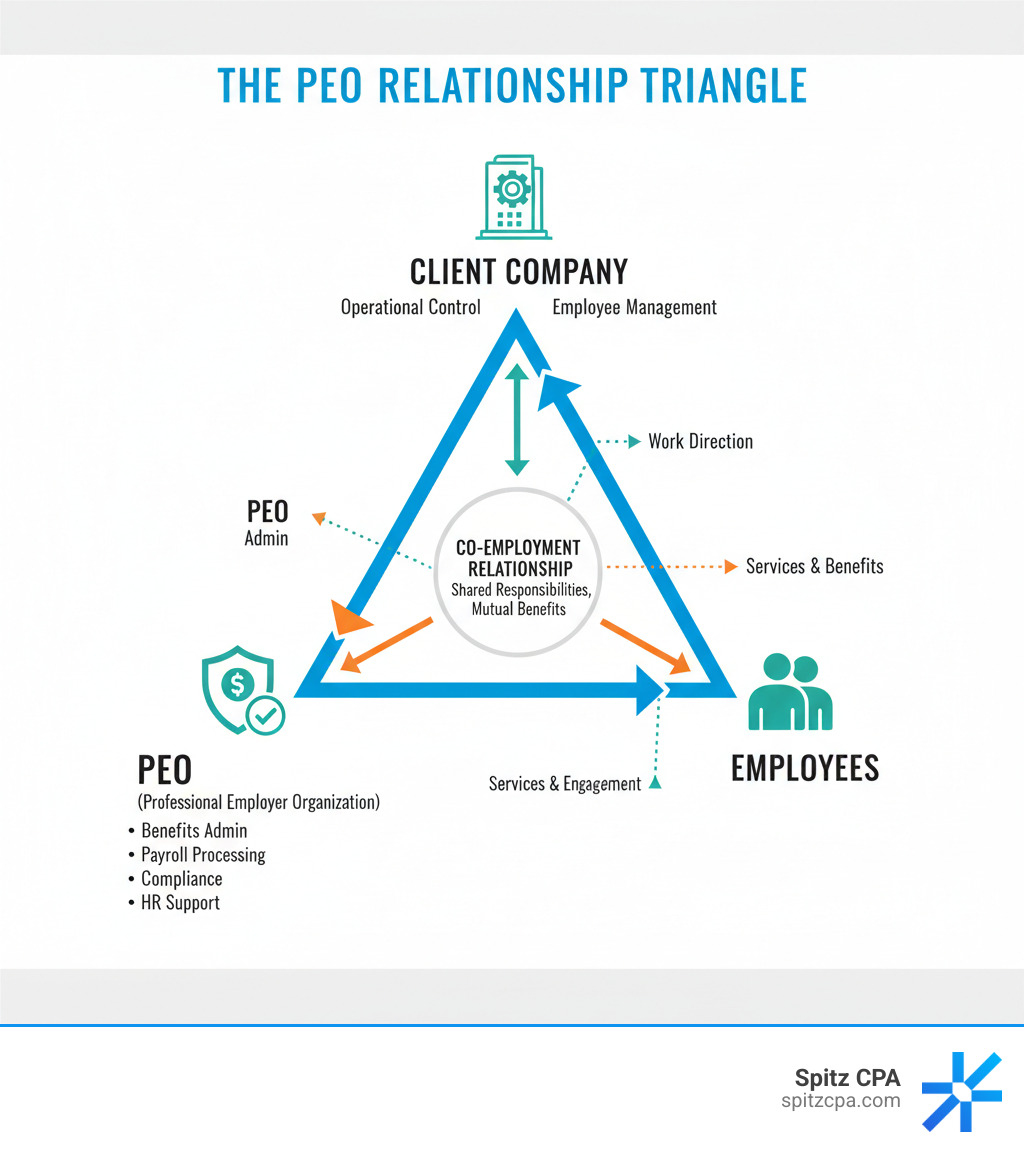
A Professional Employer Organization (PEO) enters a co-employment partnership with your business, assuming responsibility for critical HR functions like health insurance, retirement plans, and regulatory compliance. You retain control over your daily operations and team, while the PEO handles the complex administrative work. This model gives you access to Fortune 500-level benefits at competitive rates, freeing you to focus on growth.
Key Benefits of PEO Benefits Administration:
- Better Benefits Access: Offer high-quality health, dental, vision, and retirement plans at lower costs through pooled buying power.
- Time Savings: Outsource enrollment, claims, vendor relations, and daily benefits administration.
- Compliance Protection: Gain expert management of ACA, COBRA, HIPAA, and other complex regulations.
- Cost Efficiency: Businesses save an average of $1,775 per employee annually.
- Growth Advantage: PEO clients grow 7-9% faster and have 10-14% lower turnover.
Research confirms the impact: businesses with a PEO are 50% less likely to fail and see much lower employee turnover. The model combines economies of scale with specialized expertise, providing benefits and compliance support that would otherwise be out of reach.
I’m Michael J. Spitz, and with over 15 years of corporate accounting experience in payroll, HR, and strategic financial planning, I’ve seen how PEO benefits administration can boost a company’s financial health and efficiency. This guide will cover everything you need to know to determine if a PEO partnership is right for you.
Similar topics to peo benefits administration:
The Core of PEO Benefits Administration: Services and Offerings
A PEO centralizes the scattered benefits administration tasks that consume your time. Instead of juggling multiple vendors and compliance requirements, you get a dedicated team handling everything. The PEO service model streamlines your HR functions into a single system, giving you an entire HR department’s capabilities without the in-house cost. This makes sophisticated HR accessible to businesses that couldn’t otherwise afford it. For a deeper look at this streamlined approach, check out Human Capital Management Payroll.
What Types of Benefits Can Be Administered Through a PEO?
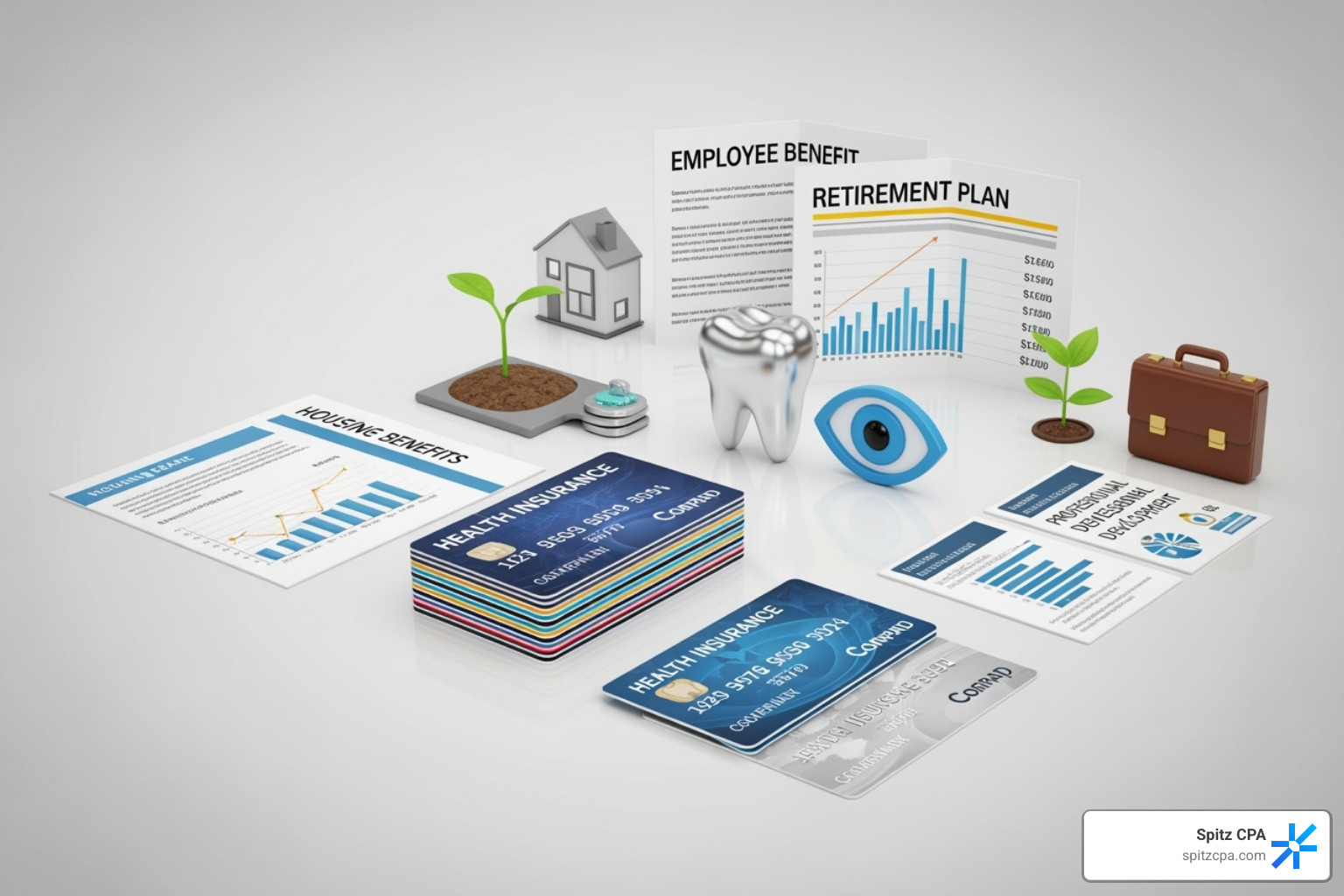
Through a PEO’s pooled buying power, you can offer a benefits package that rivals those of Fortune 500 companies. By combining employees from hundreds of small businesses, PEOs negotiate with carriers as a single large entity, securing premium benefits at rates you couldn’t achieve alone.
Common offerings include:
- Health Insurance: Comprehensive medical (PPO, HMO, etc.), dental, and vision plans.
- Retirement Plans: 401(k) programs, IRAs, and other options with full administrative and compliance support.
- Life and Disability Insurance: Group life, accidental death, and both short-term and long-term disability coverage.
- Voluntary Benefits: Employee-paid extras like pet insurance, legal services, and identity theft protection that improve your package at no cost to you.
- Spending Accounts: Health Savings Accounts (HSAs) and Flexible Spending Accounts (FSAs) for pre-tax healthcare savings, managed by the PEO.
- Additional Perks: Employee Assistance Programs (EAPs) for confidential support and commuter benefits for urban employees.
How PEOs Handle Enrollment and Ongoing Management
The true value of partnering with a PEO lies in its day-to-day management, which ensures benefits work for your employees without creating headaches for you.
The PEO takes the lead on open enrollment and new hire onboarding, providing clear communication and guiding employees through their options. They manage all adjustments for qualifying life events like marriage or birth, ensuring compliance and a smooth transition.
If an employee has a claims issue, the PEO acts as a liaison and advocate, resolving problems with insurance carriers so you don’t have to. Behind the scenes, the PEO handles all vendor management, from negotiating with brokers to processing premium payments and reconciling accounts. You have one point of contact instead of many.
Finally, the PEO ensures ongoing communication with employees about their benefits, often providing dedicated specialists to answer questions. This comprehensive support frees you to run your business. To learn more about outsourcing these functions, visit Employee Outsourcing Companies.
The PEO Advantage: Boosting Growth and Employee Satisfaction
Partnering with a PEO for benefits administration does more than offload paperwork—it fundamentally improves how you compete for talent and boosts employee morale. The numbers from the National Association of Professional Employer Organizations (NAPEO) prove it: businesses with PEOs grow 7-9% faster, see 10-14% lower employee turnover, and are 50% less likely to go out of business. While competitors are buried in HR tasks, you can focus on building your business and keeping your team happy and engaged.

Key Advantages of PEO Benefits Administration for Employers
- Time Savings: Reclaim the hours spent on benefits management and redirect them toward revenue-generating activities.
- Cost Management: PEOs negotiate lower health insurance rates by pooling employees, saving businesses an average of $1,775 per employee per year. This efficiency pairs perfectly with smart Small Business Accounting practices.
- Reduced Administrative Burden: The PEO handles premium payments, carrier communications, compliance filings, and renewals, freeing your team from paperwork.
- Access to HR Experts: Gain a team of benefits consultants, HR professionals, and compliance specialists without the cost of hiring them in-house.
- Focus on Core Business Activities: With HR administration handled, you can dedicate your energy to serving customers, developing products, and pursuing growth.
How Employees Benefit from a PEO Partnership
Your employees are the biggest winners in a PEO partnership, which leads to higher productivity, morale, and retention.
- Better, More Affordable Benefits: Employees gain access to the same quality health, dental, vision, and retirement plans offered by large corporations, often at a lower cost.
- Personalized Guidance: Many PEOs provide benefits coaches who help employees understand their options and make informed choices during enrollment or life events.
- Dedicated Support: Instead of long hold times with insurance companies, employees have a dedicated PEO contact to help resolve claims issues and answer questions quickly.
- User-Friendly Technology: Intuitive online portals and mobile apps allow employees to manage their benefits, view pay stubs, and access HR information 24/7.
- Improved Employee Experience: Quality benefits and responsive support make employees feel valued, reducing stress and leading to higher job satisfaction and loyalty.
Navigating Compliance and Technology in a PEO Partnership
The regulatory landscape for employee benefits is a shifting maze of federal, state, and local laws. Staying compliant with mandates like the ACA, COBRA, and HIPAA can feel like a full-time job, with steep penalties for mistakes. This is where a PEO provides its most critical value: mitigating risk by taking on the responsibility for benefits compliance.

Beyond regulations, modern HR management requires sophisticated technology for efficiency and employee satisfaction. For more insights on ensuring your processes are watertight, read How to Do Payroll and Avoid Mistakes.
How PEOs Ensure Benefits Compliance
PEOs are built to steer the intricate web of employment regulations, protecting your business from costly errors. Their compliance experts manage:
- ACA Reporting: Tracking employee eligibility, ensuring your health offerings meet requirements, and handling all IRS filings (Forms 1094-C/1095-C).
- COBRA Administration: Managing the entire process for continuing health coverage, from initial notifications to payment collection, removing this legally complex burden from your plate.
- ERISA and HIPAA: Ensuring your retirement and health plans adhere to strict federal standards for fiduciary responsibility (ERISA) and data privacy (HIPAA).
- State and Local Laws: Staying current with ever-changing local mandates, such as paid family leave or specific coverage requirements, to keep you compliant wherever your employees are located.
Working with an IRS Certified PEO (CPEO) offers an extra layer of credibility and financial protection. These elite PEOs have met rigorous IRS standards, which you can verify on the IRS Certified PEO public listings.
The Role of Technology in Modern PEO Services
Technology is key to modern PEO services, transforming benefits administration into a streamlined, user-friendly experience. Modern PEOs leverage integrated Human Resources Information System (HRIS) platforms that serve as a central hub for payroll, benefits, and compliance data.
This technology empowers your team through:
- Employee Self-Service Portals: Intuitive online dashboards and mobile apps where employees can enroll in benefits, view pay stubs, check PTO, and manage their information 24/7.
- Automated Workflows: Automation handles routine tasks like enrollment reminders and premium payments, reducing errors and increasing efficiency.
- Data Analytics and Reporting: PEOs provide valuable insights into workforce metrics like benefits utilization and turnover rates, helping you make informed strategic decisions.
This tech stack creates a better experience for everyone and allows you to focus on strategy instead of paperwork. To learn more about how technology can revolutionize your processes, explore Payroll Processing Software.
Making the Right Choice: PEOs and Key Considerations
Partnering with a PEO for benefits administration is a strategic business decision, not a simple purchase. It’s crucial to evaluate if the model fits your company’s specific needs. While not every business needs a PEO, the right partnership can be transformative. For broader insights on outsourcing, our Outsourcing services page offers valuable guidance.
PEOs Compared to Other HR Administration Approaches
You have several options for HR: an in-house team, a payroll service, or a PEO. In-house HR offers total control but comes with high costs and the full weight of compliance risk. A basic payroll service only handles paychecks and tax filings, leaving you to manage benefits, HR issues, and liability.
The PEO model is different. Through co-employment, the PEO shares liability and becomes your administrative employer, handling back-office functions. This gives you access to top-tier benefits, expert HR support, and a scalable infrastructure that grows with you, all while you maintain control of your business and people.
Understanding the Cost and ROI of PEO Benefits Administration
PEOs typically charge a per-employee fee or a percentage of payroll. While this is an added administrative cost, the return on investment (ROI) is often substantial. Research from NAPEO shows businesses using PEOs save an average of $1,775 per employee per year, primarily through lower health insurance premiums and reduced workers’ compensation costs.
The ROI extends beyond direct savings. Consider the hidden costs of DIY HR: leadership time wasted on administrative tasks, high turnover due to uncompetitive benefits, and potential compliance fines. PEOs help you grow 7-9% faster and reduce turnover by 10-14%. When you calculate the cost of replacing an employee, these retention gains alone can deliver a massive return.
Considerations When Choosing a PEO
Not all PEOs are the same. Due diligence is essential to find the right partner.
- Certification and Experience: Prioritize IRS Certified PEOs (CPEOs) for financial stability and compliance assurance. Look for a PEO with experience in your industry.
- Package Flexibility: Ensure the PEO offers benefits packages that can be custom to your needs, rather than a rigid one-size-fits-all approach.
- Potential Limitations: Understand that you will be joining the PEO’s master benefits plans, which may require changing carriers. Be prepared for new processes and systems.
- Exit Complexity: Ask about the offboarding process and contract terms. A clear exit strategy is crucial in case the partnership doesn’t work out.
- Vet the Provider: Request references from similar businesses, review their service levels, and speak with their support team before signing.
As Michael J. Spitz advises, the best financial decisions are informed ones. Take your time to ensure a PEO partnership aligns with your strategic goals.
Frequently Asked Questions about PEO Benefits Administration
What is the main difference between a PEO and a payroll service?
A payroll service is a vendor that processes paychecks and files payroll taxes. All other HR responsibilities and employer liabilities remain with you. A PEO, through a co-employment model, becomes a strategic partner. It handles a comprehensive suite of HR services, including benefits administration, compliance, and workers’ compensation, while sharing certain employer liabilities. A PEO provides access to better benefits and expert HR guidance, whereas a payroll service is purely a transactional tool. For more insights, refer to Human Capital Payroll Best Practices.
Does my company lose control of its employees with a PEO?
No. This is a common misconception. In a co-employment relationship, you remain the “worksite employer” and retain full control over your daily operations, business strategy, and company culture. You continue to manage your employees’ tasks, performance, and make all hiring and firing decisions. The PEO acts as the “administrative employer,” handling back-office HR functions so you can focus on leading your team and growing your business.
Can a very small business use a PEO?
Yes, very small businesses are often the ideal candidates for a PEO. PEOs level the playing field by giving small companies access to Fortune 500-level benefits they couldn’t afford on their own. By pooling employees from thousands of small clients, PEOs negotiate superior rates for health insurance and retirement plans. This helps small businesses attract and retain top talent. Additionally, a PEO provides instant access to HR expertise that a small company typically cannot afford to hire in-house, all while delivering an average savings of $1,775 per employee per year.
Conclusion
Partnering with a PEO for benefits administration is more than outsourcing paperwork; it’s a strategic partnership that empowers your business to thrive. By providing access to top-tier benefits, navigating complex compliance, and leveraging modern HR technology, a PEO allows you to compete for talent and focus on what you do best: growing your company.
The results are clear: businesses with PEOs grow 7-9% faster, have 10-14% lower turnover, and are 50% less likely to go out of business. Instead of drowning in administrative tasks, you can dedicate your time and energy to the activities that drive revenue.
Choosing the right PEO is a significant financial decision. At Spitz CPA, we can help you make an informed choice. With over 15 years of corporate accounting experience, Michael J. Spitz and our team can help you analyze the financial implications and determine if a PEO aligns with your strategic goals. We’ve helped businesses achieve significant growth by providing personalized financial guidance, and we can do the same for you.
Don’t let the burden of benefits administration hold your business back. Get expert help with your payroll and HR strategy today and find how a PEO partnership can simplify your operations and open up new opportunities for growth.


