


Why Smart Business Owners Choose a PEO Company for Payroll
A PEO service for payroll can transform how you handle HR tasks, freeing up valuable time for growing your business. According to industry research, nearly 70% of business leaders spend more than one week each month on HR tasks—time that could be better spent on strategic growth initiatives.
Quick Answer for PEO Companies for Payroll:
- What it is: A Professional Employer Organization (PEO) that manages payroll, benefits, and HR via a co-employment model.
- Key benefits: Saves 27% on HR costs, cuts turnover by 20%, and offers top-tier benefits.
- Best for: Small to mid-sized businesses (5-100 employees) needing full HR support.
- Cost: 2-8% of payroll or a flat per-employee fee.
- Setup time: 3-6 weeks for complete onboarding.
The constant juggling of payroll processing, tax compliance, benefits administration, and HR regulations can overwhelm any business owner. This is where a Professional Employer Organization (PEO) steps in as a strategic partner. For a neutral overview of the model, see Professional employer organization.
A PEO operates through a co-employment model—they become the employer of record for tax purposes while you maintain complete control over your day-to-day operations and employees. Think of it as outsourcing your back-office HR headaches to experts who handle these tasks for hundreds of companies daily.
Unlike traditional payroll services that only cut checks, a PEO provides comprehensive support, including payroll administration, employee benefits, workers’ compensation, and compliance management. This partnership allows you to offer your team Fortune 500-level benefits at affordable rates while ensuring you stay compliant with ever-changing employment laws.
I’m Michael J. Spitz, and with over 15 years of corporate accounting experience, including extensive payroll and HR management, I’ve seen how the right PEO partner can streamline operations and boost profitability. My expertise in financial modeling, compliance, and strategic planning helps business owners make informed decisions about partnering with PEO providers.
PEO Vocabulary Explained:
What is a PEO and How Does the Co-Employment Model Work?
A Professional Employer Organization (PEO) is like an outsourced HR department, but with a team of specialists you don’t have to hire or manage. A PEO enters into a co-employment relationship with your business, creating a partnership where they handle complex HR tasks while you focus on running your company.
The key to co-employment is that you keep complete control of your business operations. You still hire and fire employees, manage their daily work, set their schedules, and drive your company’s strategic direction. The PEO becomes the “employer of record” for tax and administrative purposes, handling the back-end paperwork.
This arrangement creates a clear division of responsibilities. The PEO handles payroll processing, tax filings, benefits administration, and compliance management. Meanwhile, you maintain authority over employee supervision, performance management, and all operational decisions that shape your company culture.
Unlike a traditional payroll service that just cuts checks, a PEO is a comprehensive partner, acting as your HR team, benefits specialist, and compliance expert all in one. They have steerd these challenges thousands of times across hundreds of businesses, bringing that expertise directly to your company.
How a PEO Manages Payroll
When you partner with a PEO, payroll transforms from a recurring headache into a seamless, automated process. You gain access to professional-grade payroll systems and experienced teams who handle everything, from calculating wages and overtime to tax withholdings.
The PEO takes over complete payroll administration, accurately calculating wages, commissions, and bonuses. They handle all tax filing and payment responsibilities—federal, state, and local—ensuring everything is submitted correctly and on time. This eliminates worries about missing deadlines or making costly calculation errors.
Year-end tax reporting becomes effortless as the PEO generates and distributes W-2 forms. Employees appreciate the convenience of direct deposits, which PEOs offer as a standard service. Many PEOs also integrate with time and attendance tracking systems, eliminating manual data entry and reducing errors.
This comprehensive approach dramatically reduces your administrative burden. Instead of spending hours each month on payroll, you can redirect that time toward growing your business and serving your customers.
Understanding the Co-Employment Relationship
The co-employment model creates a shared liability framework that protects you and your employees. The PEO assumes responsibility for payroll accuracy, tax compliance, and benefits administration—areas where mistakes can be costly. You maintain control over the aspects of employment that directly impact your business success.
Employee supervision remains entirely with you. You decide who gets promoted, who needs training, and how work gets done. The PEO doesn’t interfere with your management style or company culture; they provide the professional support structure that allows you to manage more effectively.
This partnership gives you access to specialized expertise that would be expensive to maintain in-house. HR professionals, legal experts, and benefits specialists work behind the scenes to keep your business compliant and competitive. For most small and mid-sized businesses, this level of professional support is one of the most significant benefits of PEO services.
The relationship works because it allows each party to focus on what they do best. You concentrate on growing your business, while the PEO handles the complex administrative tasks that support your success.
5 Key Ways a PEO Company for Payroll Boosts Your Business
When you partner with a PEO, you’re not just outsourcing payroll. You’re gaining a strategic ally that can transform how your business operates. Here are five game-changing ways a PEO service can boost your business growth.
1. Streamlines Payroll and Tax Administration
A PEO frees you from wrestling with payroll and tax deadlines so you can focus on growing your business. That’s the freedom a PEO brings to your daily operations.
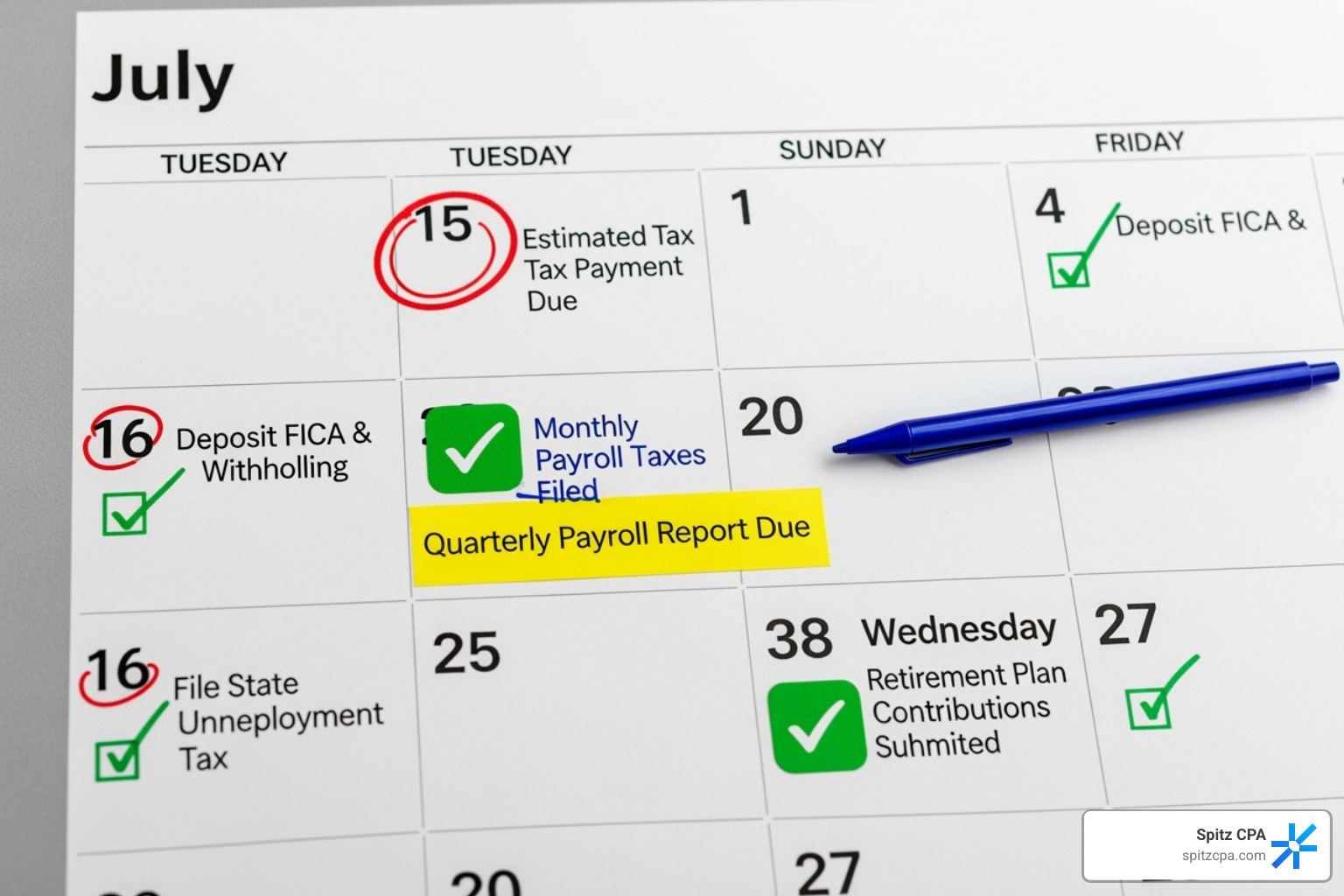
Automated payroll processing ensures your employees are paid accurately and on time, every time. This precision eliminates late nights spent double-checking calculations or worrying about missed tax deadlines.
PEO payroll management is powerful because it handles federal, state, and local tax compliance like clockwork. Tax laws change constantly, and staying current is a major challenge. Your PEO’s tax experts live and breathe these regulations, ensuring you avoid costly penalties.
The elimination of payroll errors alone can save you thousands. Simple mistakes like miscalculating overtime or missing a filing deadline can lead to hefty fines. With professional oversight, these slip-ups become virtually non-existent.
When tax season arrives, year-end tax reporting is effortless. W-2s and 1099s are generated and distributed seamlessly. For more guidance, see our guide on How to Do Payroll and Avoid Mistakes.
PEOs also excel at workers’ compensation management. They can help you manage claims, promote workplace safety, and often provide pay-as-you-go workers’ compensation insurance. This means your premiums are based on actual wages, which improves cash flow.
2. Opens up Access to Better Employee Benefits
PEOs level the playing field, allowing small businesses to offer benefits comparable to Fortune 500 companies. This helps you compete for top talent against larger corporations.
PEOs achieve this through group purchasing power. By pooling thousands of employees from their client companies, they negotiate rates for benefits that would be impossible for a small business to secure alone. This often results in lower insurance rates, saving you 20-30% compared to the open market.
Your employees gain access to health insurance options from top-tier providers, comprehensive retirement plans (401k), and essential life and disability insurance. Many PEOs also offer perks like FSAs, HSAs, and employee assistance programs.
The impact on attracting and retaining talent is remarkable. According to the National Association of Professional Employer Organizations (NAPEO), businesses using PEOs see a 20% reduction in employee turnover. When your team feels valued and protected, they stick around longer. This directly supports your Human Capital Management & Payroll strategy.
3. Fortifies Workplace Compliance and Risk Management
Navigating employment laws like OSHA, COBRA, and ADA can be overwhelming. A PEO acts as your compliance shield, helping you manage these complex regulations with confidence.
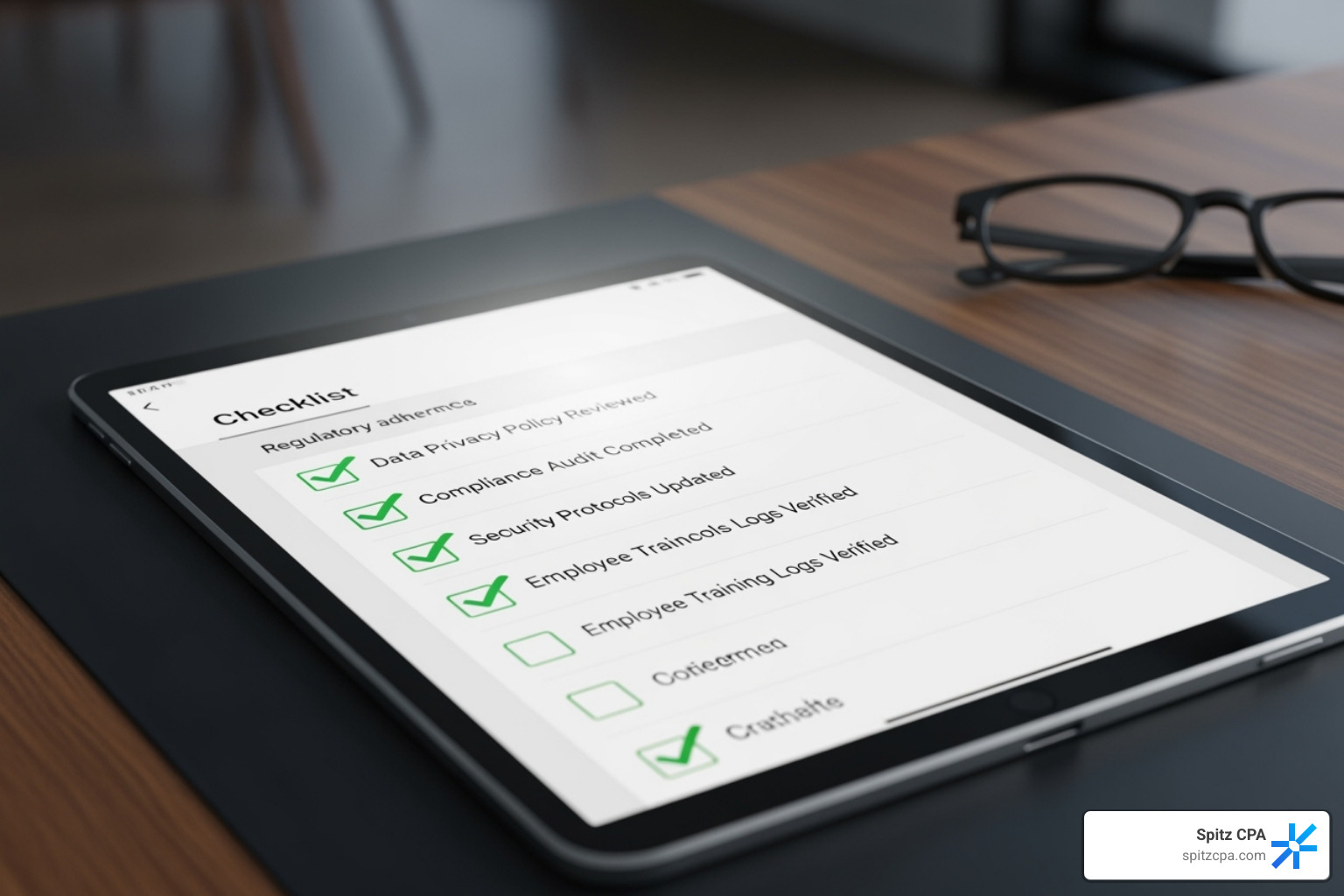
A PEO’s legal experts stay current on every rule change, protecting your business from costly violations and lawsuits. The reduced employer liability aspect of co-employment provides additional peace of mind. While you control daily operations, the PEO shares responsibility for certain administrative compliance areas. This shared arrangement, combined with their HR legal support, creates multiple layers of protection.
Professional employee handbooks and policies become standard practice. These documents are legally compliant, regularly updated, and custom to your industry and location.
Even unemployment claims administration becomes hassle-free. Your PEO manages these claims efficiently, often resulting in lower unemployment costs.
This comprehensive approach to compliance protects you from unexpected legal expenses that could derail your growth, contributing to your Business Financial Health Check.
4. Provides a Strong Return on Investment (ROI)
Every business decision comes down to the bottom line, and PEOs deliver a strong ROI.
Industry research shows that businesses using PEOs save an average of 27% on HR-related costs, or up to $1,775 per employee annually. These savings directly impact your bottom line.
The reduced HR costs are immediate. Instead of hiring full-time HR staff, you access a team of specialists for a fraction of the cost.
With a 20% reduction in employee turnover, the savings are substantial. The average cost to replace an employee can range from 50% to 200% of their annual salary. Reducing turnover means less spending on recruitment, training, and lost productivity.
Cost savings on benefits through group purchasing power often offset a significant portion of PEO fees. Many businesses find their benefit costs decrease while coverage quality improves.
Most importantly, compliance cost avoidance can save you from financial disaster. A single employment lawsuit or major compliance violation can cost tens of thousands of dollars.
PEO pricing is typically a percentage of payroll (2-8%) or a flat fee per employee. Our expertise in Tax Planning for Entrepreneurs can help you assess how PEO costs fit into your overall financial strategy.
5. Leverages Powerful HR Technology
PEOs provide access to enterprise-level HR platforms, turning technology into a competitive advantage without the high cost.
These all-in-one HR platforms transform workforce management. Employee self-service portals eliminate administrative interruptions by allowing employees to handle tasks like updating their address or accessing W-2s independently.
Workforce management tools integrate with time tracking, scheduling, and performance management. Mobile access lets your team check pay stubs or request time off from anywhere, providing modern flexibility.
Data analytics and reporting capabilities offer insights into workforce trends, helping you make data-driven decisions. Streamlined onboarding gets new hires productive faster while ensuring all compliance requirements are met.
This technological foundation supports Human Capital Payroll Best Practices and creates efficiencies that scale with your business.
Is a PEO the Right Choice for Your Company?
Choosing an HR solution can be overwhelming, but determining if a PEO is right for you is straightforward once you know what to look for.
What to Consider When Choosing a PEO Company for Payroll
Businesses that thrive with PEOs share common traits. Companies with 5 to 100 employees tend to get the most value, though some PEOs have a minimum of 10 employees.
For a startup or scaling business, a PEO can be a game-changer. You get instant access to professional-grade systems and expertise without the overhead of building an in-house HR department.
Multi-state operations are another perfect scenario for PEO services. A quality PEO handles different state tax laws, compliance requirements, and workers’ compensation through a single, streamlined system.
When evaluating partners, start by assessing your biggest pain points. Are you struggling with payroll, benefits administration, or compliance? Choose a PEO whose strengths address your specific challenges.
Accreditation matters. Look for PEOs accredited by the Employer Services Assurance Corporation (ESAC). These organizations have proven their financial stability and ethical practices through rigorous third-party evaluation.
Industry expertise is also key. A PEO that understands your sector’s unique challenges will provide more value than a generic provider.
Don’t forget about scalability. Choose a partner who can adapt as your business grows to avoid another transition down the road.
At Spitz CPA, Michael J. Spitz and our team help businesses steer these decisions. We can assess whether a PEO partnership makes sense for your specific situation and budget, ensuring you make the smartest choice for long-term growth.
Understanding a Certified PEO (CPEO)
The term “Certified PEO” is a meaningful distinction that offers real benefits.
A Certified PEO (CPEO) is certified by the IRS, meaning it has met stringent requirements. They must post a bond each year guaranteeing payment of federal employment tax liabilities. This acts as insurance for your peace of mind; if something goes wrong with tax payments, the bond protects your business.
The certification process includes thorough background checks and financial audits. Only PEOs that demonstrate rock-solid financial stability and ethical business practices earn the designation, and they must renew it regularly.
A key benefit is that CPEOs eliminate the wage-base “restart” problem. If you switch PEOs or bring payroll in-house mid-year, you won’t pay double FUTA (Federal Unemployment Tax Act) taxes on the same wages. This can save thousands of dollars.
Only a small percentage of PEOs achieve IRS certification. Working with a CPEO provides an extra layer of security and specific tax advantages that can meaningfully impact your financial results.
PEO vs. Other HR Outsourcing Models: What’s the Difference?
The HR outsourcing world is full of acronyms. Understanding the differences between PEOs, HROs, EORs, and traditional payroll services helps you choose the right solution.
Traditional payroll services primarily cut checks and handle basic tax filings, leaving you with all tax liability and compliance responsibility. PEOs operate through co-employment, becoming your partner in managing the entire employee lifecycle.
| Feature | PEO (Co-Employment) | Traditional Payroll Service |
|---|---|---|
| Legal Status | Co-employer for tax purposes | No co-employment relationship |
| Payroll Processing | Comprehensive, including tax filings & payments | Primarily processes paychecks & basic filings |
| Tax Liability | Assumes liability for federal payroll taxes | Client retains all tax liability |
| Benefits Admin. | Manages and provides access to group benefits | Typically no benefits administration |
| HR Support | Extensive: compliance, risk, handbooks, etc. | Limited to none; may offer basic HRIS |
| Workers’ Comp. | Manages, provides, and administers claims | No involvement |
| Compliance | Proactive guidance and liability sharing | Limited; client responsible for compliance |
| Cost Structure | Percentage of payroll or per-employee fee | Per-employee fee, per-payroll fee, or tiered |
HROs (Human Resources Outsourcing) handle HR tasks without co-employment. You remain the sole employer and retain all liability—they act as an extension of your internal team.
EORs (Employer of Record) become the complete legal employer of your workforce. This model works well for international hiring or situations where you need someone else to fully own the employment relationship.
For most small businesses, a PEO offers the sweet spot between comprehensive support and maintained control. You get professional-grade HR capabilities without giving up your company culture or operational authority. Our guide Small Business Accounting 101: A Guide for New Entrepreneurs provides helpful context.
Frequently Asked Questions about Using a PEO for Payroll
Business owners often have concerns about how partnering with a Professional Employer Organization will change their operations. Here are the most common questions I hear from clients.
How long does it take to get set up with a PEO?
Onboarding typically takes three to six weeks from signing your agreement. The timeline can vary based on your business complexity, employee count, and how quickly you provide the required paperwork.
During this period, the PEO will transfer payroll systems, integrate benefits enrollment, and migrate HR records. The PEO handles most of the heavy lifting, but your responsiveness with documentation is key to a smooth transition.
Employee communication is crucial. Your PEO partner will provide templates and guidance to help explain the changes to your team. Clear communication prevents confusion and helps employees understand the new benefits and streamlined processes.
Will I lose control of my company or culture?
A common concern is losing control, but you maintain complete control over your business operations, strategic decisions, and company culture.
Think of a PEO as your back-office partner. They handle the administrative burden of payroll, tax filings, benefits, and compliance. Meanwhile, you continue managing your employees’ daily responsibilities, performance, and workplace environment. You are still the boss making all important decisions.
The PEO doesn’t impose its culture on your business. In fact, a good PEO can help you strengthen your existing culture by providing professional HR guidance and removing administrative distractions, allowing you to focus on leading your team.
Can a PEO help my business attract and retain top talent?
Yes. This is a major advantage for smaller businesses. Through their group purchasing power, PEOs give you access to competitive benefits packages that rival what Fortune 500 companies offer. Your employees can access high-quality health insurance, robust retirement plans, and other perks that would be too costly to purchase independently.
Beyond benefits, PEOs provide professional HR support that improves the employee experience. This includes streamlined onboarding, access to training opportunities, and expert guidance on employee relations. When HR processes run smoothly, employees feel more supported.
The numbers speak for themselves: businesses using PEOs see a 20% reduction in employee turnover. This is because employees value comprehensive benefits and professional HR support. Offering these advantages helps you compete on a level playing field with larger companies for top talent.
Conclusion
Partnering with a PEO is more than a business decision—it’s an investment in your company’s future. A PEO can streamline payroll and tax administration, provide access to competitive benefits, strengthen compliance, deliver a measurable ROI, and offer cutting-edge HR technology.
The real value comes when you step back from the daily grind of HR paperwork. You gain the time and mental space to focus on what truly matters: building customer relationships, developing new products, and growing your team. It’s like having a professional backstage crew handle the technical details while you shine in the spotlight.
This partnership brings financial clarity and efficiency to your operations. You gain peace of mind knowing experts are handling critical tasks. The results are clear—businesses typically save 27% on HR-related costs and see employee turnover drop by 20% with the right PEO partner.
At Spitz CPA, Michael J. Spitz and our team understand that every business is unique. We’ve helped countless owners steer these important decisions, providing the personalized guidance and accounting expertise needed to make informed choices. Our approach focuses on helping you achieve significant growth while maintaining the financial clarity that drives smart business decisions.
Whether you’re a startup competing for top talent or an established business seeking to streamline operations, the right PEO partnership can be transformative. It’s about finding the sweet spot where administrative efficiency meets strategic growth—freeing you to do what you do best.
Ready to explore how this could work for your business? Visit our About Us page to learn more about our commitment to your success, or Contact Us today to start the conversation.
For businesses already considering their payroll options, explore our comprehensive Payroll Services to see how we can support your specific needs.


